

Price Action is the study of raw price movement — the candles, highs, lows, closes, and the behavior of buyers and sellers.
No indicators.
No lagging signals.
Just pure market psychology printed on the chart.
If you want to understand market structure, timing, reversals, and trends, this is where you start.
2. Why Price Action Matters
Price Action gives you:
- Clear entries without lagging indicators
- Higher accuracy because you read what buyers and sellers are doing now
- Better discipline — every candle tells a story Works on any market (Forex, Gold, S&P 500, Crypto, Stocks)
- Stronger confidence — knowing why price moves
Price Action is the foundation behind every successful professional trader.
🦈 Indicators can help, but they will never replace your ability to read a naked chart.
3. The Core Components of Price Action
Learn to recognize:
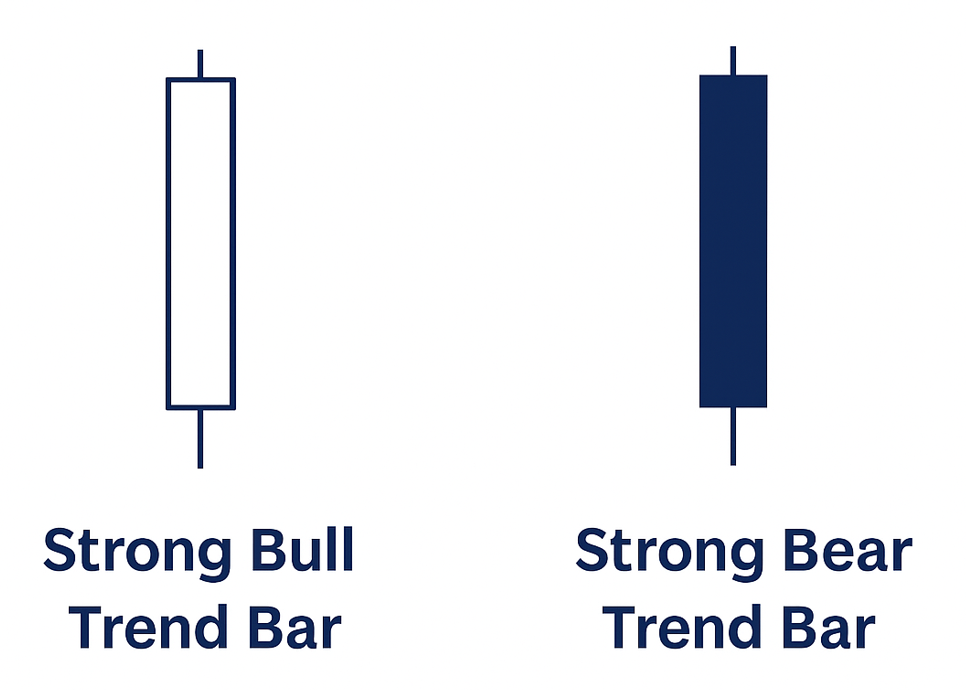
Trend bars – strong bull or bear candles showing clear control
Doji – indecision, balance between buyers and sellers

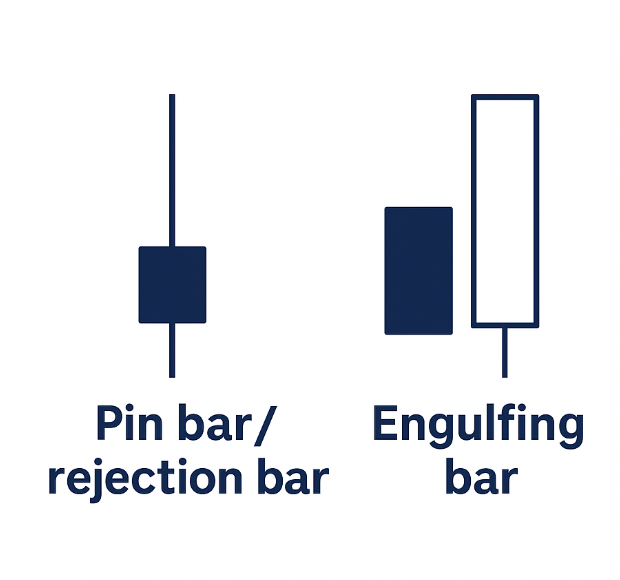
Reversal bars – pin bars, engulfing bars, strong rejection of a level
Climactic bars – very large candles that often signal exhaustion
Support & Resistance
You want to know where traders react:
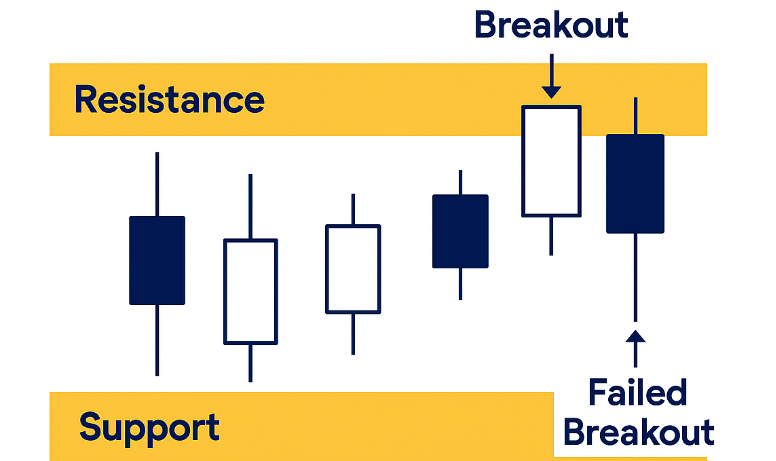
- Previous swing highs & swing lows
- Strong highs/lows from daily or weekly charts
- Breakouts and failed breakouts
- Liquidity zones where price keeps rejecting
Market Structure
Ask yourself:
Are we in an uptrend? (higher highs & higher lows)
In a downtrend? (lower highs & lower lows)
Or in a range? (sideways, trapped between support & resistance)
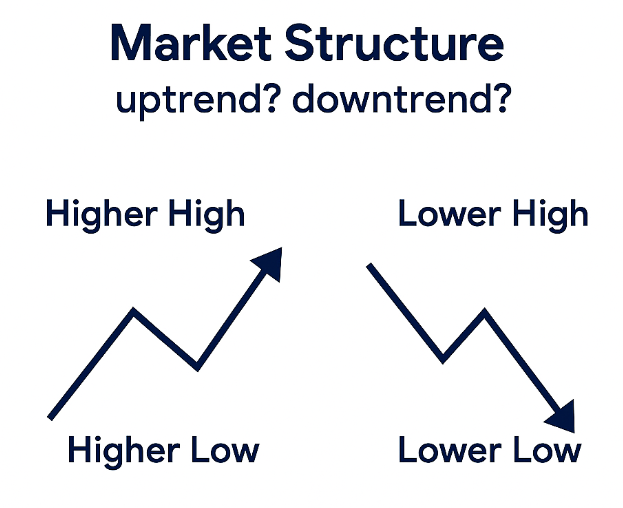
Market structure tells you whether you should be buying pullbacks, selling rallies, or waiting.
Momentum Clues
- Momentum = how strong the move is.
Look for: - Consecutive bull bars or bear bars
- Bars closing near their highs or lows
- Big bodies vs tiny bodies
- Micro pullbacks and micro channels
- These details tell you if the trend is healthy or tired.
4. How to Read a Chart Like a Professional Trader
A professional price-action trader does this every time they open a chart:
Mark the Trend: Uptrend? Downtrend? Range?
- Identify Key Levels Support, resistance, supply/demand, prior highs and lows.
- Look for a Signal Bar A strong bull or bear bar forming at an important level.
- Wait for Confirmation Second entry, breakout–pullback, or clear continuation.
🦈Your job is not to predict every move. Your job is to wait for your setup to appear — and then execute with discipline.
5. The Most Reliable Price Action Setups (Start With These)
You don’t need 20 setups.
You need a few that you know inside out.
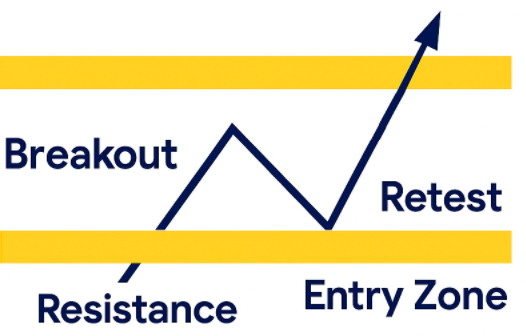
1- Breakout–Pullback (BOPB)
Price breaks a clear support or resistance level
It pulls back to retest that level
Then it resumes in the direction of the breakout
You’re trading with the trend, not against it.
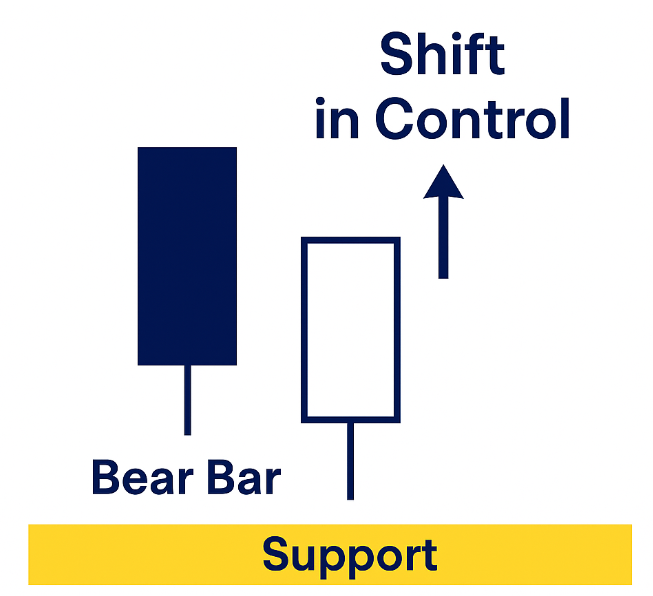
2-Bar Reversal
Two candles next to each other show a clear shift in control.
Example: a strong bear bar followed by a strong bull bar off support (bull reversal).
This often signals that one side is giving up and the other is taking over.
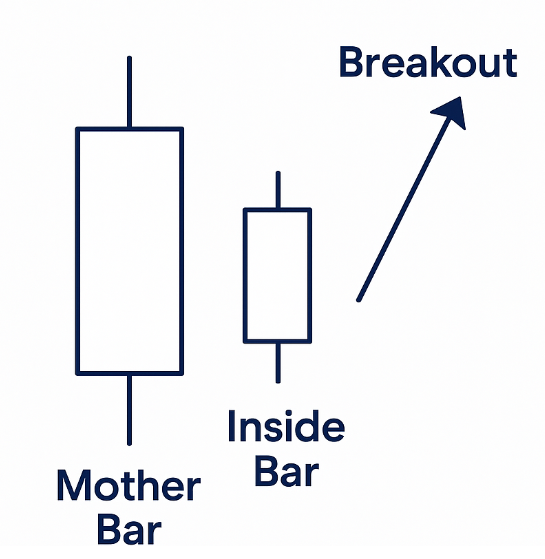
3- Inside Bar Breakout
An inside bar is fully contained inside the previous bar’s high and low.
It shows compression — a pause before a potential breakout.
When price breaks out of that range, it often leads to a sharp move.
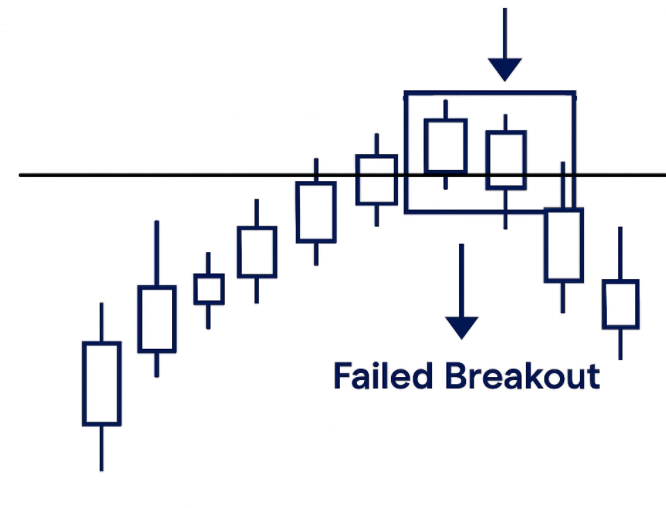
4- False Break / Liquidity Grab
Price appears to break out of a level…
Triggers stops and attracts breakout traders…
Then snaps back in the opposite direction.
On Gold and indices like the S&P 500, this is a very powerful reversal signal.
🦈Professional traders don’t chase the first breakout. They often wait to see if it holds or fails.
6. Common Price Action Mistakes to Avoid
- Entering without confirmation
- Trading every breakout without waiting for a retest
- Ignoring the higher timeframe context
- Jumping in too early — entering before the bar closes
- Trading tiny timeframes full of noise
- Trading from emotions (fear, FOMO, revenge)
Your edge is not just in the setup — it’s in your discipline.
7. How to Use Price Action on Gold & S&P 500
Gold (XAUUSD)
Loves false breaks and long wicks
Can move very fast in one direction once it decides
Big trend bars often mean real intent, not noise
Ideal tools: trend, key levels, false break reversals, breakout–pullback.
S&P 500 (US500 / USSPX500)
Often forms cleaner structure
- Breakout–pullback setups work very well
- Respect higher timeframe levels (daily/weekly)
This is a great market for learning structured price action without the same level of “spikes” as gold.
8. Your Next Steps to truly master Price Action:
- Learn a small number of setups deeply
- Back test at least 100 examples of each setup
- Journal every trade with screenshots & notes
- Focus on daily and 4H charts (less noise, more clarity)
- Work on your psychology as much as your entries
Price Action is not a shortcut.
It’s a skill — and once you build it, no one can take it from you.